


Top 10 Benefits of Adaptive Cycling for Children with Additional Needs
-
 Simon Frayne
- Latest News
- 3 Jun 2026
-
243views
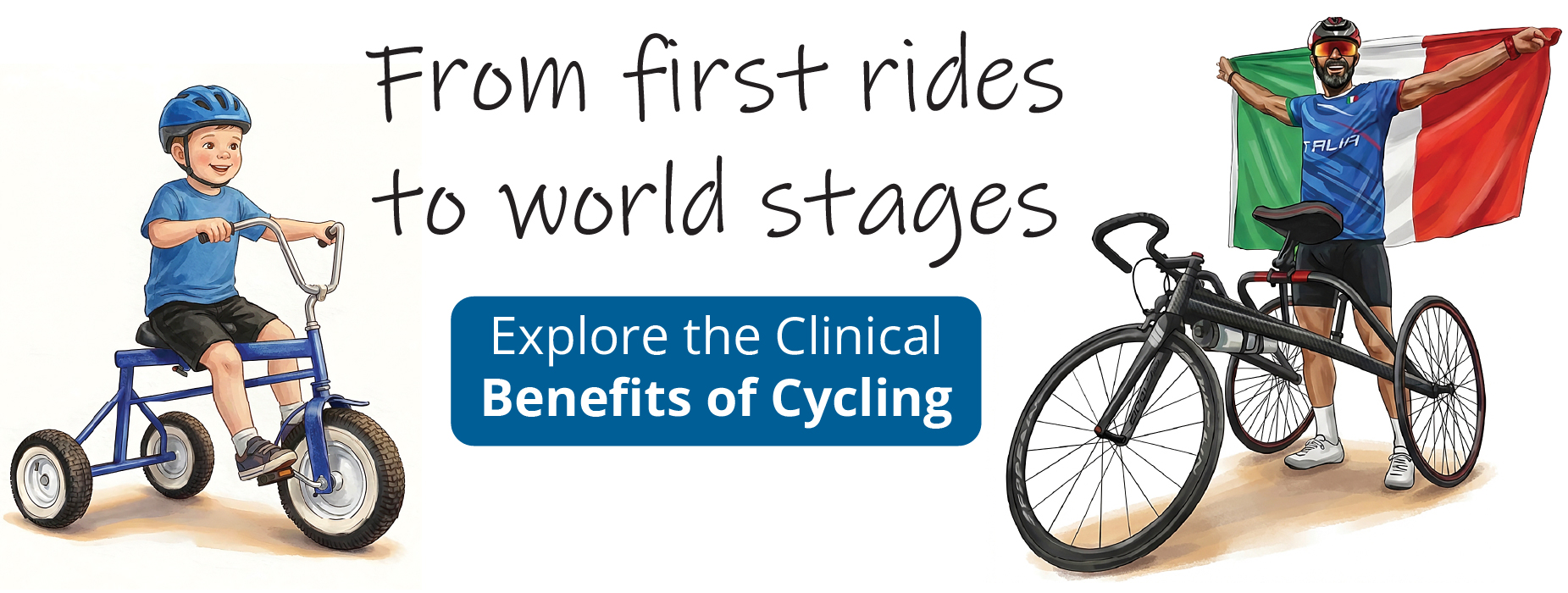
A simple activity can have a lasting impact. Discover ten ways cycling can support development, wellbeing and participation in everyday life.
For many children, adaptive cycling provides opportunities that may not be possible with a standard bicycle. Additional support, stability and positioning can help children cycle comfortably while enjoying greater independence and freedom of movement.
The NHS recommends that children and young people achieve at least 60 minutes of physical activity each day. Adaptive cycling can provide an enjoyable and engaging way to support this goal while promoting overall health and wellbeing.
When Might Adaptive Cycling Be Considered?
Adaptive cycling may be beneficial for children who require additional postural support, stability or assistance when participating in physical activity. With a range of adaptive cycle options available, many children can experience the enjoyment and developmental benefits of cycling regardless of their abilities.
The Top 10 Benefits of Adaptive Cycling
1. Promotes Participation and Independence
Adaptive cycling enables children to take part in an activity that might otherwise be difficult or inaccessible. Developing the ability to move independently can help build confidence, encourage exploration and support greater participation in family, school and community activities.
2. Encourages Physical Activity
Regular physical activity is important for maintaining overall health and wellbeing. Adaptive cycling provides an enjoyable way for children to exercise while supporting cardiovascular fitness, strength and endurance.
3. Supports Muscle Strength and Endurance
Pedalling helps strengthen muscles in the legs, hips and core. Over time, regular cycling can improve endurance and support functional activities that require strength and stability.
4. Improves Balance and Coordination
Cycling encourages children to develop balance, coordination and body awareness. Even when additional support is provided, adaptive cycling can help improve motor skills and movement control.
5. Promotes Joint Mobility and Range of Movement
The repetitive cycling motion can help encourage movement through the hips, knees and ankles. This may assist with maintaining joint flexibility and supporting comfortable movement patterns.
6. Enhances Confidence and Self-Esteem
Learning new skills and achieving personal goals can have a positive impact on confidence. Adaptive cycling provides opportunities for success, helping children build self-esteem and a sense of accomplishment.
7. Encourages Social Interaction
Cycling can be enjoyed with family members, friends and peers, creating opportunities for social engagement and shared experiences. Participating in group activities can help children develop communication skills and build relationships.
8. Supports Emotional Wellbeing
Physical activity and outdoor recreation can have a positive effect on mood and emotional wellbeing. Adaptive cycling provides opportunities for enjoyment, independence and participation in meaningful activities.
9. Encourages Outdoor Exploration
Adaptive cycling allows children to spend time outdoors, explore new environments and engage with the world around them. Outdoor activity can support sensory experiences and contribute to overall wellbeing.
10. Provides a Fun and Motivating Activity
Perhaps most importantly, adaptive cycling is enjoyable. When children enjoy an activity, they are often more motivated to participate regularly, helping them gain the many physical, social and emotional benefits that cycling can offer.
Conclusion
Adaptive cycling offers far more than physical exercise. It provides children with additional needs opportunities to develop confidence, improve mobility, build social connections and participate more fully in everyday life.
By enabling more children to experience the enjoyment and freedom of cycling, adaptive cycling can play an important role in supporting long-term health, wellbeing and independence.
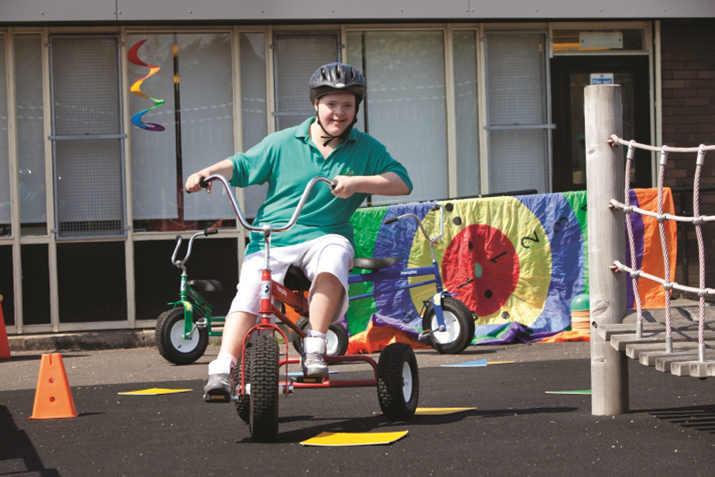
Interested in Adaptive Cycling?
RMS supplies a range of adaptive cycling solutions designed to support children and young adults with additional needs. Contact our team to discuss the most suitable adaptive cycling solution or arrange a free assessment.
Call 01795 477280 or email sales@rms-rehab.co.uk for further information.