


Walking Benefits for Children with Mobility Needs
-
 Simon Frayne
- Latest News
- 1 Dec 2025
-
633views
Walking benefits children with mobility needs by supporting healthy physical, cognitive and emotional development. Whether achieved independently or through early mobility devices or gait trainers, supported walking provides lasting improvements to comfort, function and wellbeing.
1. Supports cardiovascular, respiratory and digestive health
One of the key walking benefits is improved overall physical health. Being upright encourages healthier heart and lung function, better circulation and more regular digestive activity. For children who spend long periods seated, supported walking can help reduce the secondary complications linked to prolonged immobility.
2. Strengthens muscles and improves bone density
Walking benefits also include dynamic weight-bearing, helping to strengthen muscles, maintain joint mobility and support healthy skeletal development. These factors together reduce the likelihood of contractures and osteoporosis. Even short but regular periods of supported walking can contribute to stronger, more resilient musculoskeletal health.
3. Enhances balance, coordination and motor learning
Another important walking benefit is improved balance and neuromotor control. Walking provides continuous proprioceptive input, helping children develop spatial awareness and coordination. Early mobility devices such as the Birillo support the transition from crawling to upright movement, encouraging motor learning and confidence in early mobility.
4. Improves participation, confidence and social engagement
Walking benefits extend beyond physical health. Being upright and mobile enables children to explore their surroundings, communicate more easily and take part in home, school and community activities. These opportunities can significantly boost confidence, motivation and independence.
5. Reduces long-term health complications
A further walking benefit is the prevention of secondary complications associated with immobility. Regular supported walking can ease future care needs by helping maintain joint health, circulation and respiratory function. This supports improved comfort and wellbeing for the child and provides long-term value for families, schools and services.
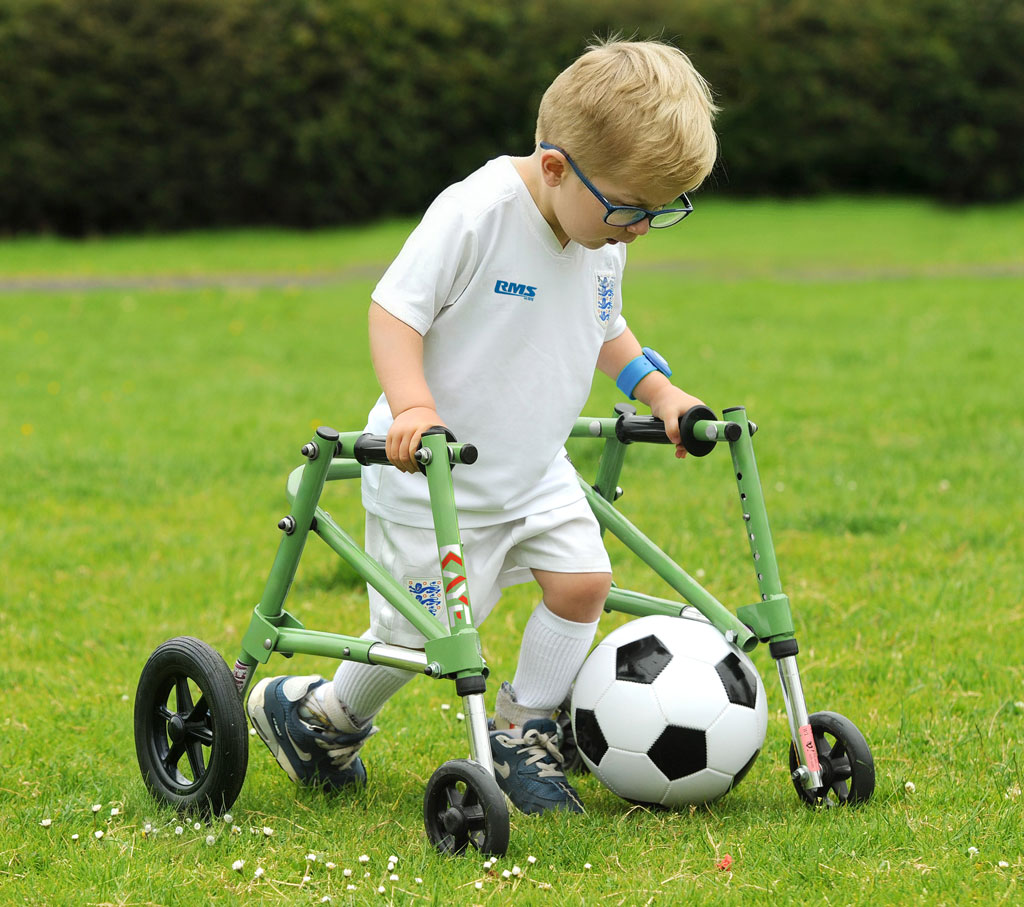
The RMS walking range provides solutions that promote safe, enjoyable and clinically beneficial walking opportunities. From early mobility options to structured gait support, each system is designed to help children achieve meaningful movement, increased participation and more independence.
For further information or to request a Benefits of Walking poster contact sales@rms-rehab.co.uk
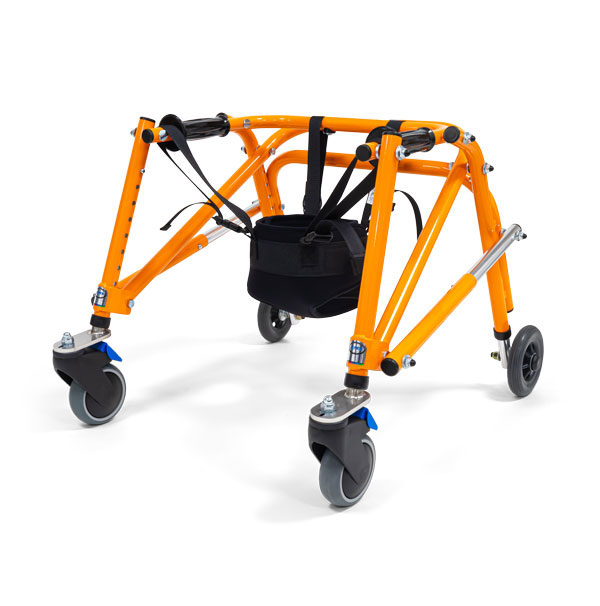
The Kaye Walker has been a proven and trusted design for over 40 years, and it is now manufactured in the UK by RMS. It combines medical-grade production, real-world results and a legacy of clinical trust.
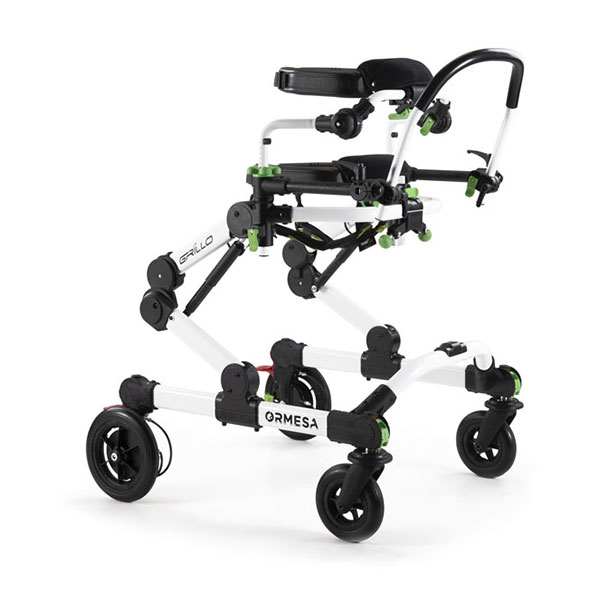
The Grillo Gait Trainer has been specifically designed to benefit self-movement in those suffering from motor related disabilities. Available in front and rear drive models.
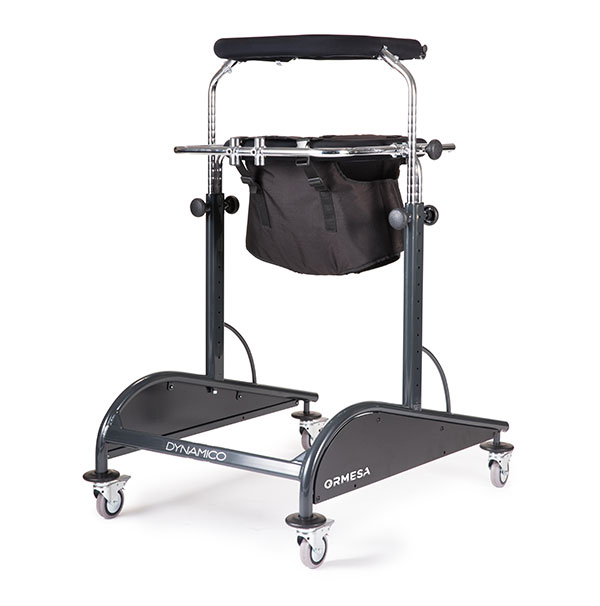
Dynamico is a gait trainer for adults and children, ideal for both outdoor and indoor use. It can comfortably accommodate people with mild or moderate physical disability.
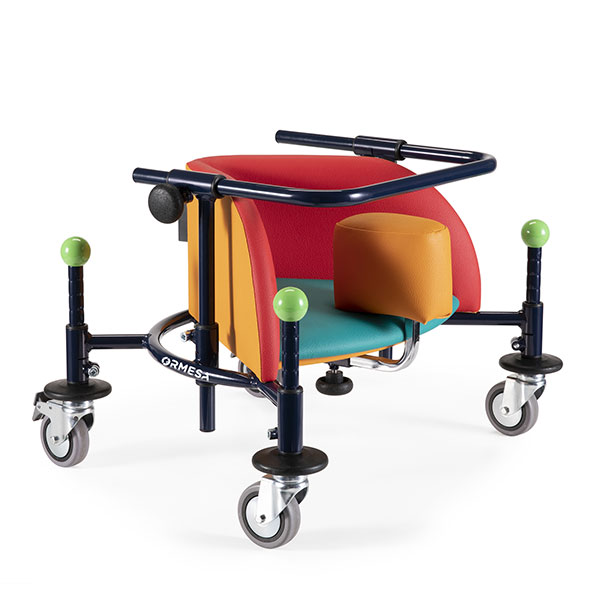
Birillo is a corner seat walker for children with adjustable abductor to promote upright sitting and properly align the spine and pelvis for optimal lower leg mobility. It is a fun and stimulating aid.